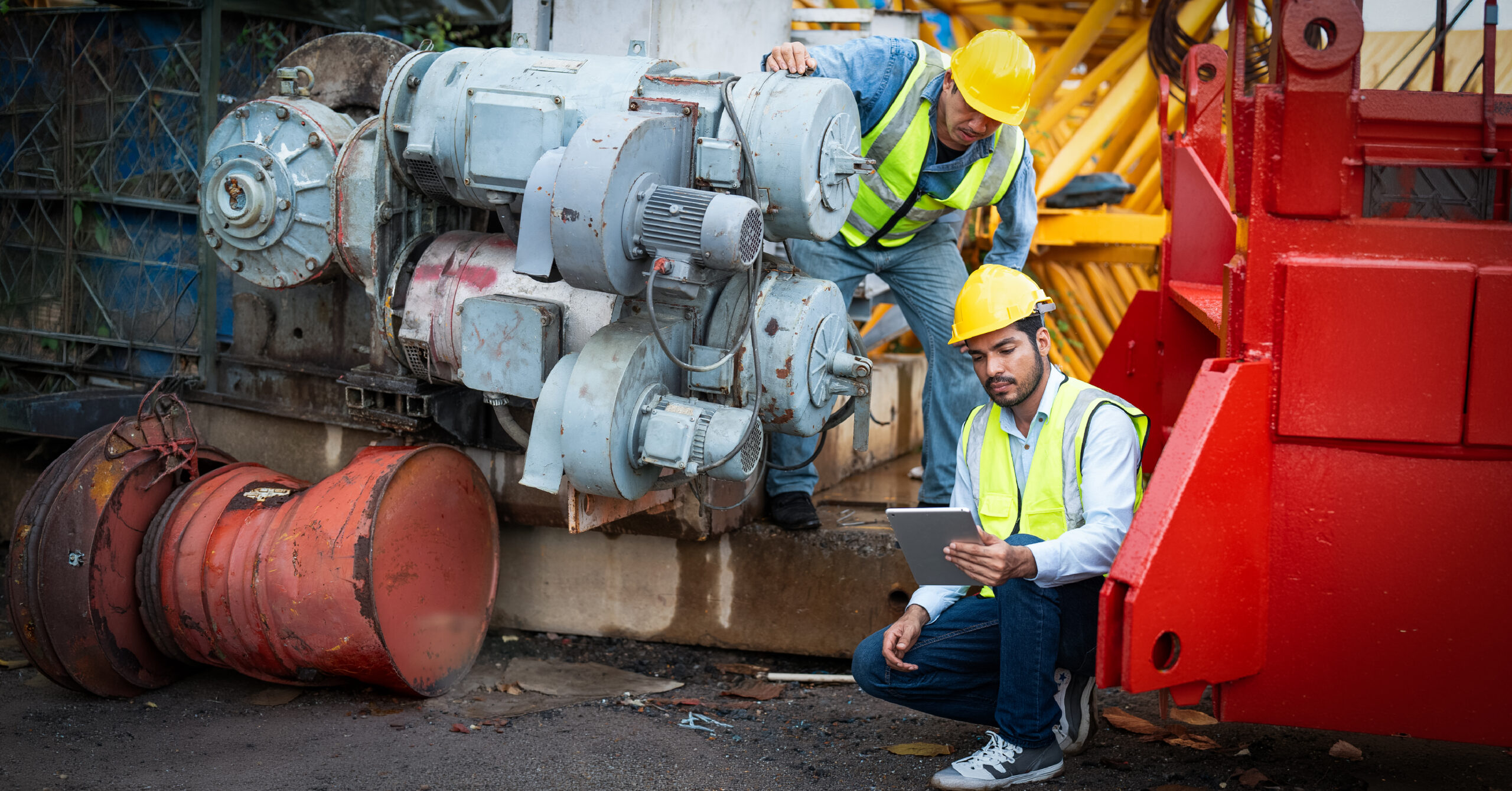
Maintenance Tips for Keeping Your Drill Rigs in Top Condition
Drilling rigs are the workhorses of the oil, gas, mining, and water sectors. Whether you are operating surface drilling rigs...
Read more


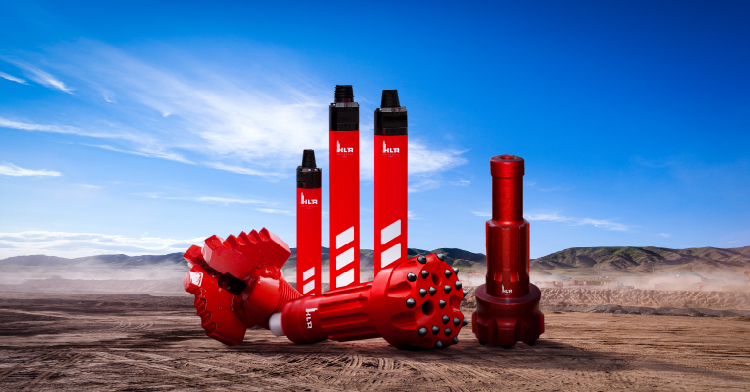
Choosing between down-the-hole drilling and top hammer drilling isn’t just a technicality; it is a decision that dictates your project’s speed and bottom line. Whether you are breaking ground for a new highway or extracting ore in a massive mine, the way you apply force to rock matters. Both methods rely on percussion drilling, but they deliver that energy in very different ways. This guide breaks down the mechanics and drilling applications to help you choose the right rig for the job.
In down-the-hole drilling, the power is exactly where the work happens. A down-the-hole drilling machine operates by placing the pneumatic hammer directly behind the drill bit. As the rig lowers the string into the ground, the hammer moves with it, staying at the bottom of the hole.
This setup is the gold standard for hard rock drilling. Because the hammer is right there against the rock, the energy does not have to travel through meters of steel. DTH drilling uses high-pressure compressed air to drive the internal piston. This results in incredibly straight holes, even at extreme depths. Modern DTH machines are the workhorses of deep-bore projects because they maintain their punch regardless of how deep they go.
Hammer drilling at the surface works differently. Here, the percussion happens on the rig itself. The “drifter” or hammer stays above the ground and strikes the top of the drill string. This kinetic energy must travel through every section of the drill rod to reach the hammer drill bits at the bottom.
This method is popular for drilling applications that require speed in shallower depths. It is common in construction site preparation and aggregate quarrying. While it is highly effective for short holes, it relies heavily on the quality of the rods to carry that vibration downward.
The main difference is energy efficiency. In top hammer drilling, every rod joint acts as a barrier that absorbs some of the impact. As you go deeper, you lose more power to vibration and heat. This can slow down the penetration rate and lead to less efficient rock fragmentation.
In contrast, DTH drilling provides consistent drilling efficiency. Since the impact is direct, the energy transfer is nearly 100% efficient. This leads to cleaner rock fragmentation and faster progress when performing hard rock drilling in deep formations.
The hardware for these two methods is not interchangeable. DTH machines require heavy-duty compressors to move the hammer and flush out cuttings. Top hammer rigs are often more compact and mobile.
| Feature | DTH Drilling | Top Hammer Drilling |
| Hammer Location | Bottom of the hole | Top of drill string |
| Energy Transfer | Direct impact | Through rods |
| Ideal Depth | Deep holes (over 20m) | Shallow to medium |
| Best for | Hard rock drilling | Bench and surface drilling |
| Bit Type | Downhole hammer bits | Hammer drill bits |
| Drilling Efficiency | High in deep rock | High in short holes |
When you hit granite or basalt, the limitations of your gear become obvious. Hammer drilling from the top struggles with “hole deviation” in these conditions because the long rods can flex. DTH drilling stays on course because the heavy hammer acts as a guide.
If you are looking for maximum drilling efficiency in deep, solid rock, DTH machines are the logical choice. They offer a higher penetration rate because they do not suffer from the vibration loss found in surface-driven systems.
Your choice usually depends on the hole diameter and depth.
Maintenance is a major factor. Hammer drill bits used in top hammer setups are often cheaper but face high stress. Downhole hammer bits are more complex and expensive but last longer in abrasive conditions. Because DTH machines use high-pressure air, your fuel costs for the compressor will be higher, but you save money by finishing deep holes faster and with less rod wear.
The industry is moving toward automation and smarter air management. Modern DTH machines now feature sensors that adjust air pressure based on rock density. KLR Universal is at the forefront of this shift, focusing on drilling efficiency and reducing the environmental footprint of percussion drilling operations. Improved metallurgy is also leading to downhole hammer bits that can withstand higher heat and friction than ever before.
At KLR Universal, we don’t just build equipment; we provide the muscle for your toughest projects. Our expertise in down-the-hole drilling machine design ensures that you get maximum uptime and power.
We offer a range of high-performance DTH machines and DTH drilling tools built to survive the harshest hard rock drilling environments. With a global presence and a heavy focus on research and development, we ensure our clients always have the best tools for their specific drilling applications.
Ready to upgrade your fleet? Contact KLR Universal today for a quote on our latest DTH machines.
Our brand is well recognized in about 60 countries across the globe. Our continues R & D has ensured a very long and efficient working life for our equipment and this has truly helped us and given very strong brand name.
We are an ISO 9001:2015 certified company having wide global presence with world class quality products and services which provide most affordable and reliable solution for drilling across the world.
We have been in business for more than 3 decades and are growing strong.
KLR Industries has the biggest facility among all the other Drilling Equipment Manufacturers in India. KLR Introduced Friction Welded and Induction Hardened Drill Rods in India.
We support 24/7, KLR Industries firmly believes in constant Support, Development, Improvement and Upgradation of all its products. We have a dedicated team working in our R&D wing in order to constantly improve our products
Drilling rigs are the workhorses of the oil, gas, mining, and water sectors. Whether you are operating surface drilling rigs...
Read more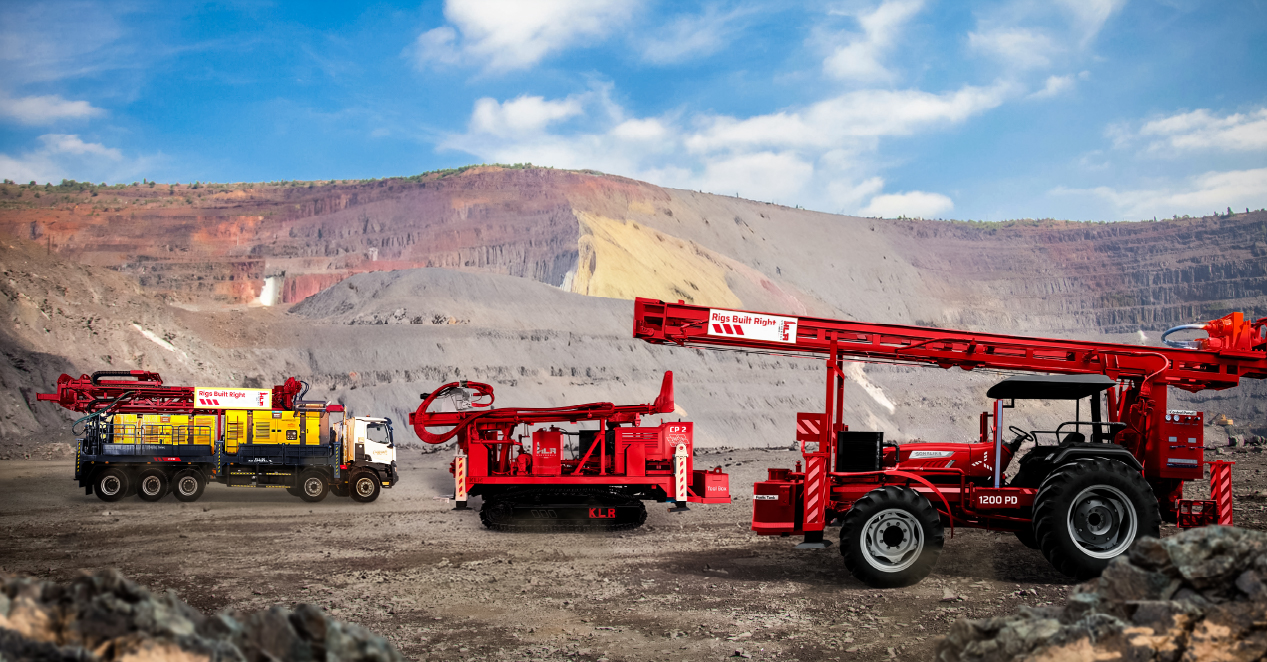
Modern cities don’t just grow upward; they are anchored deep into the earth. From the massive pillars supporting a metro...
Read more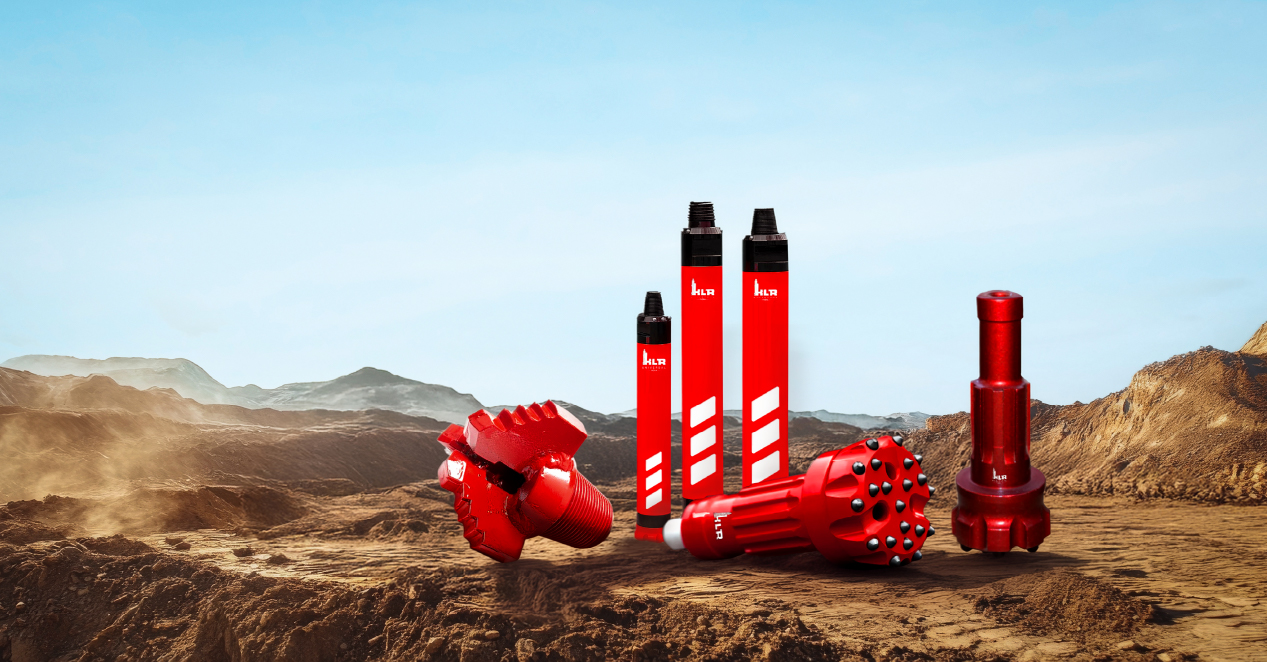
In quarrying and mining operations, the quality of blasting results begins long before explosives are placed in the ground. It...
Read more